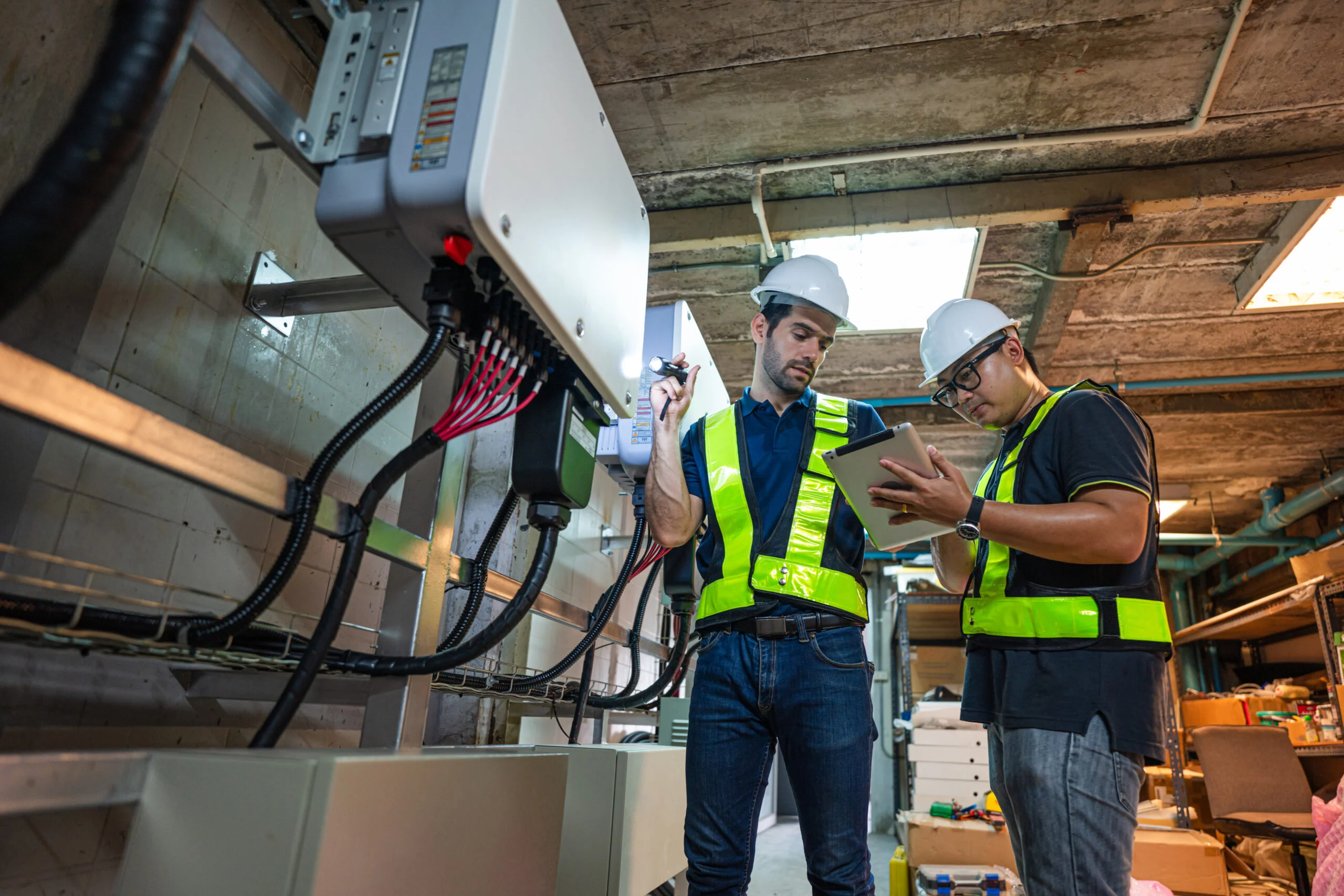
Keeping machines running smoothly is a daily challenge for any manufacturing facility. When equipment breaks down, it can throw off schedules and cost more than just time. That’s where planned maintenance for manufacturing facilities makes a real difference. It’s about checking and fixing things before they go wrong, simple as that. By setting up regular checks and sticking to them, teams can avoid surprise breakdowns and keep production on track. This approach doesn’t just help with reliability; it also gives staff more control over their workload. Let’s look at how this kind of planning helps keep things steady on the factory floor.
Enhanced Equipment Longevity
Machines in factories take on a lot of stress. They run for long hours, often without breaks. Without care, they begin to slow down or stop working. Regular upkeep helps avoid that. It keeps parts from grinding down too fast and stops small problems from turning into major ones.
When you follow a set schedule for checking machines, it’s easier to catch things early. Belts can be tightened before they snap. Filters can be changed before air flow is blocked. Lubrication can be topped up before moving parts start rubbing the wrong way. These simple checks go a long way in keeping machines running longer.
One of the main benefits of planned maintenance for manufacturing facilities is how it delays the need to buy new equipment. New machines come with a high price tag and setup takes time. By making sure current tools last as long as possible, you save money and avoid delays.
It also means fewer emergency repairs, which often cost more and take longer to fix than routine service jobs do. When breakdowns happen less often, your team spends more time working and less time waiting around.
Another thing worth noting is that consistent servicing builds a clear record of each machine’s condition over time. This makes it easier to plan ahead when something finally does need replacing or upgrading.
Fewer surprises mean smoother operations across the whole site. Workers know what to expect from their tools and managers can make better decisions about budgets and timelines.
By sticking with regular check-ups, factories keep their gear working well past its expected life span, saving both effort and cash along the way.
Improved Operational Efficiency
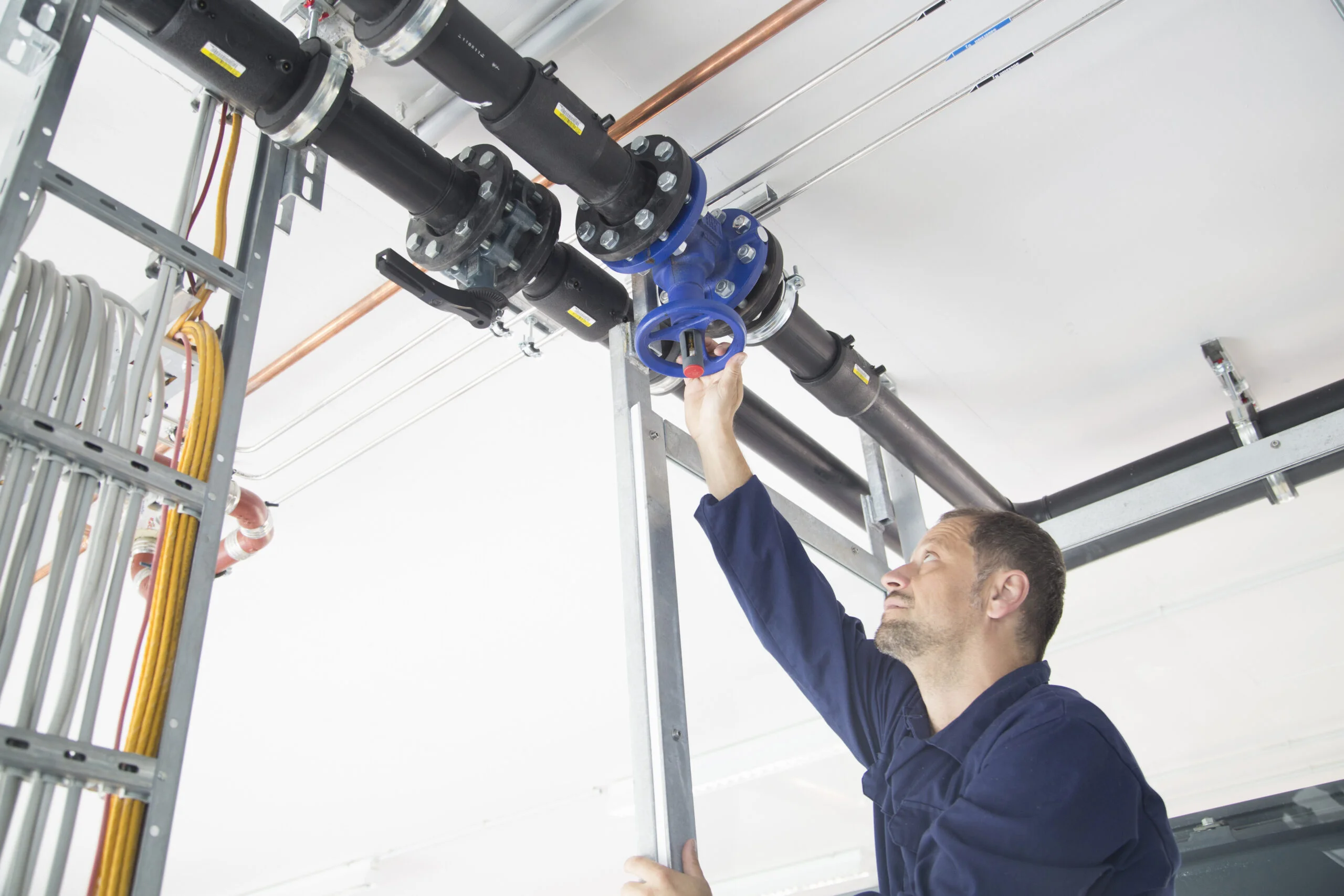
Keeping machines in good working order helps everything run smoothly on the factory floor. When equipment is looked after regularly, it’s less likely to break down during busy times. This means fewer delays and more time spent actually producing goods. With planned maintenance for manufacturing facilities, teams can catch small issues before they turn into bigger problems.
When machines stop working without warning, workers lose valuable hours waiting for repairs. It also slows down other parts of the process that rely on that one piece of equipment. Regular checks help avoid these hold-ups by spotting wear and tear early. That way, parts can be replaced or fixed before they fail during production.
Smooth operations also mean staff spend less time reacting to breakdowns and more time focusing on their main tasks. This kind of routine care often leads to better use of resources too, including energy, materials, and labour hours. By scheduling repairs ahead of time, businesses can plan around them instead of scrambling when something goes wrong.
Over time, this steady approach supports stronger output across shifts and departments. Fewer disruptions make it easier to meet deadlines and keep up with demand. Workers don’t have to wait around or rush jobs once machines come back online.
This method also helps extend the life of tools and machinery by stopping damage from getting worse over months or years. Small steps taken early reduce the need for major fixes later on, which cost more money and take longer to sort out.
Planning upkeep into daily routines gives teams a clear view of what needs attention next – avoiding guesswork or last-minute decisions that slow everything down further.
Planned Maintenance for Manufacturing Facilities
Setting up a clear schedule for equipment checks and repairs helps avoid sudden breakdowns. When machines stop working without warning, production slows down or stops. That leads to delays, missed deadlines, and extra costs. A proper system for maintenance in manufacturing facilities can reduce these risks.
This kind of approach means creating a regular routine. It includes tasks like cleaning parts, checking wear and tear, replacing filters, tightening bolts, or testing systems. Each job has a set time when it should be done – weekly, monthly or after a certain number of hours in use. This keeps everything running without surprise issues.
When teams follow this routine closely, they catch small problems early on. Fixing minor faults before they grow into larger ones saves time and money. It also helps workers feel more confident because they know the tools they use daily won’t fail suddenly.
Another benefit comes from tracking how often each machine needs care or replacement parts. Over time, that information shows patterns that help plan better budgets and avoid last-minute spending. Knowing what’s needed ahead of time makes it easier to order parts early or schedule downtime during slow periods.
Planned upkeep also supports health and safety rules by keeping machines in good condition. If tools function properly all the time, there’s less risk of injury from faulty equipment.
Having a simple checklist system makes it easier to train new staff too. They learn what steps to take and when to do them without guessing or relying on memory alone.
A planned method gives structure to daily operations across the facility floor without causing confusion among staff members or supervisors alike. Everyone knows their role in keeping things moving smoothly at all times through shared routines that build trust and predictability across shifts.
Cost Savings Through Preventative Measures
Fixing small problems early keeps costs down. When machines run without regular checks, small faults can turn into big ones. These breakdowns often lead to long stops in production. That means lost time, missed deadlines, and wasted money.
Using planned maintenance for manufacturing facilities helps spot wear and tear before it causes damage. Teams can fix worn parts or loose fittings during scheduled downtime. This avoids emergency repairs that tend to cost more and take longer.
Unplanned stoppages also affect workers and schedules. Staff may have to wait around while equipment gets fixed, which lowers output. Orders may get delayed if machines stop working suddenly. Then the business might need to pay extra for fast shipping or overtime to catch up.
Spending a bit now on regular upkeep can save a lot later on replacements or overhauls. A broken motor or conveyor belt not only needs fixing but often leads to other damaged parts nearby too. That raises the repair bill further.
Keeping machinery in check also makes it last longer. Replacing full systems less often saves both time and money over the years. It also reduces waste from throwing out large parts that could have been protected with simple checks.
Planning ahead gives teams control over their workflow instead of reacting under pressure when something fails without warning. Being proactive with maintenance allows better use of time, fewer rush jobs, and smoother operations across the board.
Fewer breakdowns mean fewer surprises, and that helps keep everything running as expected while protecting profit margins along the way.
Maximising Uptime Through Smart Maintenance Strategies
Keeping things running smoothly doesn’t have to be a gamble. As we’ve explored, planned maintenance for manufacturing facilities is a proactive approach that helps extend equipment lifespan, boosts operational efficiency, and cuts down on costly breakdowns. By investing in preventative measures, manufacturers can avoid unexpected disruptions and keep their operations lean and productive. It’s all about staying one step ahead, because when your maintenance is planned, so is your success. Whether you’re looking to save money or simply get the most out of your machinery, a structured maintenance plan makes all the difference in the long run.
Share This Post
About the Author: Legacy GLM Group