
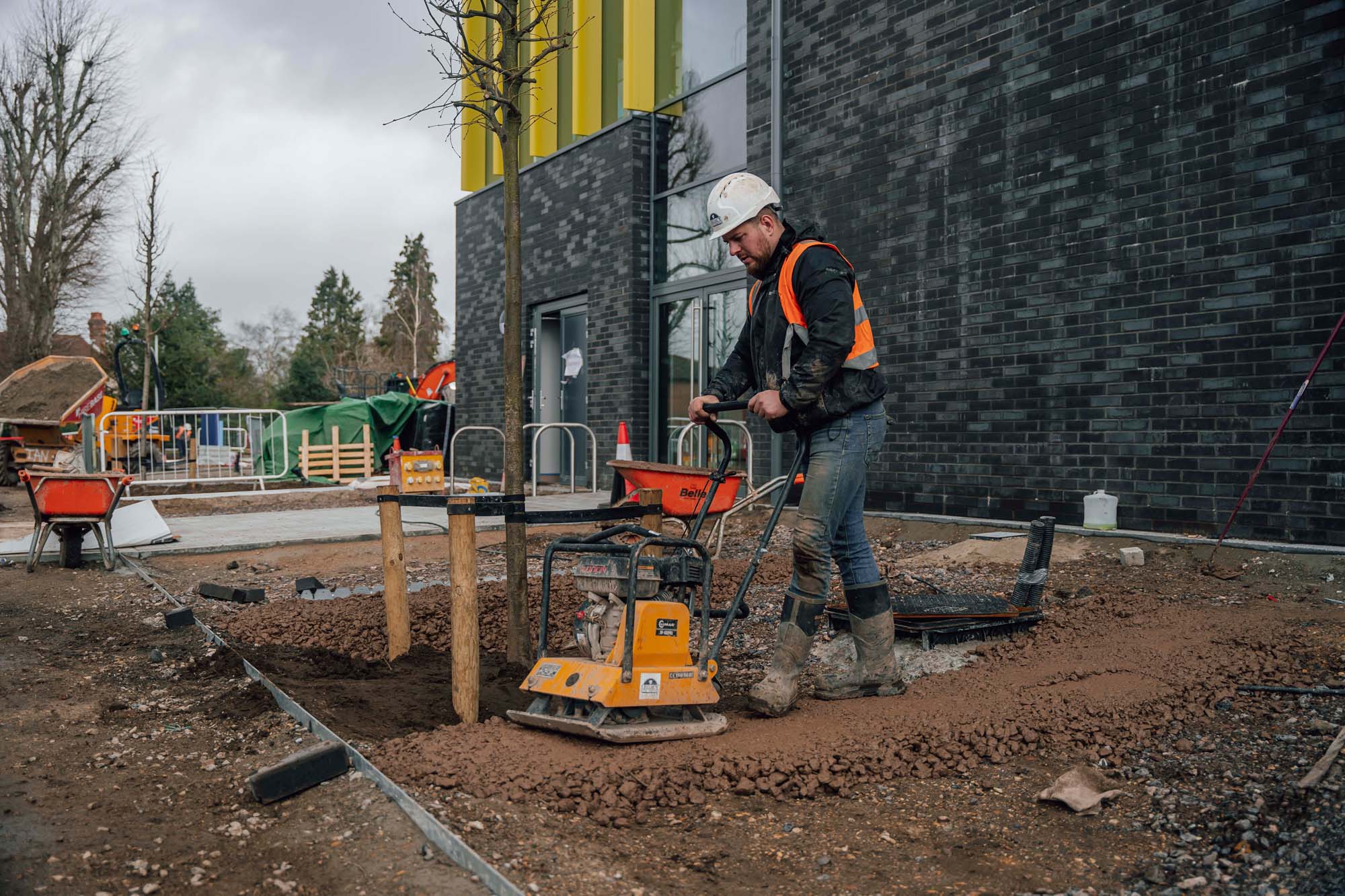
Building in a way that’s better for the planet starts from the ground up, literally. Before any walls go up, there’s groundwork to be done, and how that’s handled can make a big difference. Eco-friendly groundworks solutions help reduce waste, cut down on carbon emissions, and support smarter use of materials. Whether it’s reusing soil on-site or choosing low-impact equipment, these choices add up over time. More builders and developers now look for practical ways to keep their projects sustainable from day one. This article explores some of those methods and how they fit into everyday building practices without making things more complicated.
Permeable Paving for Sustainable Drainage
Permeable paving lets rainwater pass through the surface and soak into the ground. It helps manage water better during wet weather. Instead of water building up and running off hard surfaces, it filters slowly through materials like porous concrete or gravel grids.
This method supports sustainable drainage systems, often called SuDS. These systems aim to reduce flood risk by slowing down how quickly water flows into drains and rivers. When water can drain directly through paving, there’s less pressure on pipes and sewers. That means fewer blockages and a lower chance of sudden flooding in built-up areas.
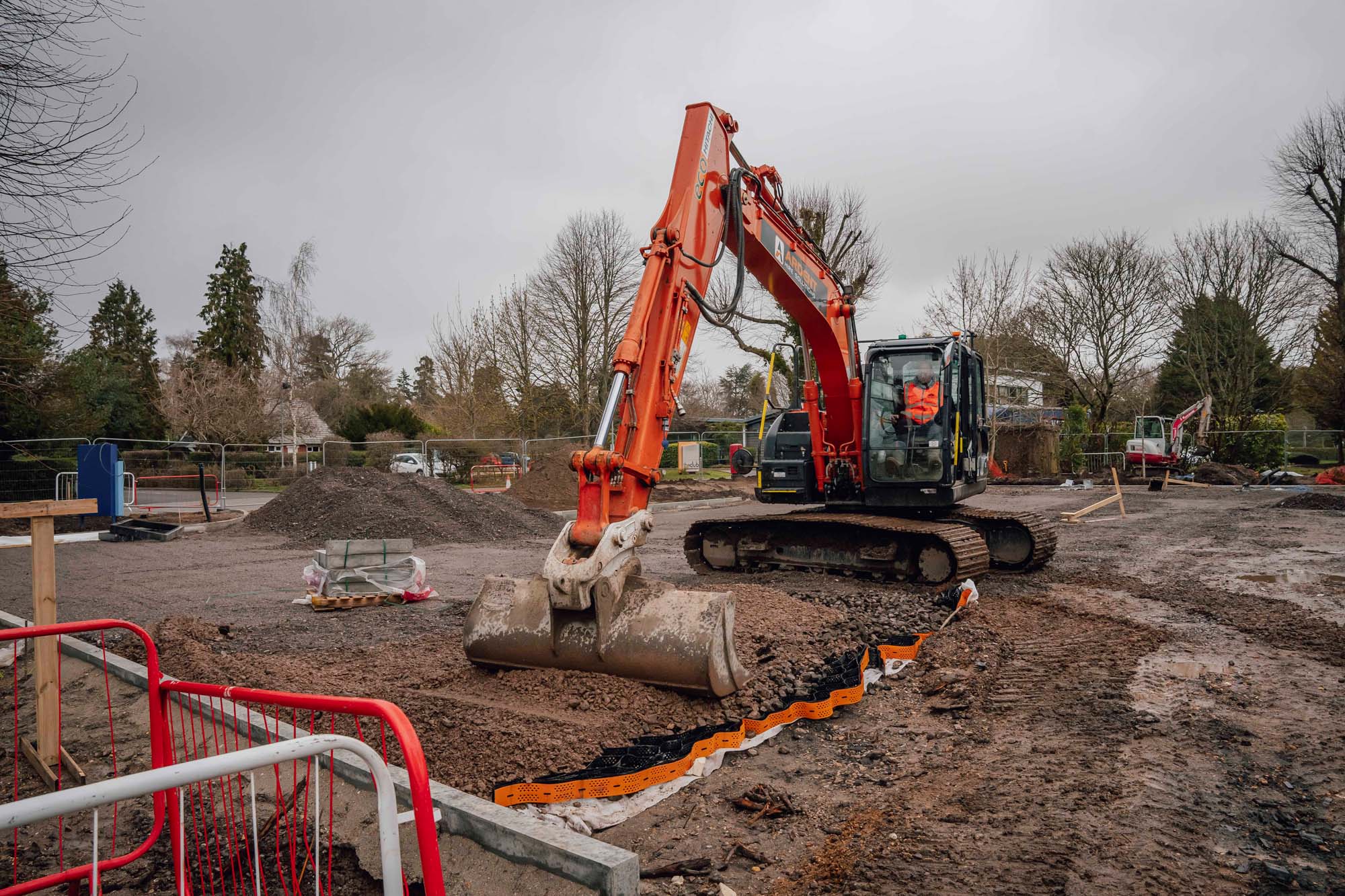
Gravel grids fit together to create strong paths or driveways but still let water move through gaps between the stones. Porous concrete works differently – it has tiny holes that allow rain to seep straight down into the soil below. Both options help keep surface runoff under control without needing extra drainage channels.
Using these methods also supports groundwater levels. When rain soaks into the ground rather than flowing away, it helps top up underground supplies over time. This can be helpful in places where there is regular demand for clean water from natural sources.
Builders often choose permeable paving as part of eco-friendly groundworks solutions because it fits with long-term plans for low-impact development. It’s not just about handling heavy rainfall, it’s also about finding ways to build while working with nature rather than against it.
Many councils now encourage this kind of approach when granting planning permission, especially on new housing projects or commercial sites with large car parks or footpaths.
Choosing these surfaces can also cut costs in some cases, since they may reduce the need for deep drainage systems or extra pipework underground. They offer a practical way to deal with excess rain while keeping construction simple and effective at the same time.
Eco-friendly Groundworks Solutions for Reduced Environmental Impact
Using the right tools and materials at the start of a building project can make a big difference. When builders choose sustainable groundworks solutions, they help lower harm to nature from the very beginning. One way to do this is by using recycled aggregates instead of new ones. These come from broken-down concrete, bricks or other old materials. They do the same job as fresh stone but cut down on waste and save natural resources.
Another useful method is swapping out high-emission machines for low-emission options. Traditional equipment runs on diesel and gives off more pollution. Newer models use cleaner fuels or electric power, meaning fewer emissions during groundwork tasks like digging or grading land. Switching to these types of machines helps reduce air pollution around sites and supports cleaner air in nearby areas.
Transport also plays a part. Choosing local sources for aggregates means shorter delivery routes, which cuts fuel use and traffic impact. It also supports nearby suppliers, which can be good for local economies.
These changes don’t just benefit the environment short-term, they support long-term goals too. Many construction projects now follow green building standards that focus on energy use, material choice and site care. Eco-aware groundwork fits into these rules without much effort when planned early.
Planning teams who pick these methods show they’re thinking ahead, not only about what gets built but how it gets started. A small change at ground level often leads to better results across the whole build process, less waste, less noise, less mess.
Making better choices from day one helps keep things simple later on while meeting growing demand for responsible development practices across towns and cities everywhere.
Soil Stabilisation with Natural Binders
Soil doesn’t always come ready to support building projects. Sometimes it’s too loose or holds too much water. One way to deal with this is by using natural binders like lime, clay, or plant-based materials. These help make the ground more solid without adding synthetic products.
Lime is often used because it reacts well with many types of soil. When mixed in the right way, it makes the ground firmer and less likely to move over time. This method has been around for a long time and still works today. It cuts down on the need for heavy equipment and added layers of stone or gravel.
Another option includes using organic binders, such as materials made from tree bark or crop waste. These binders can be mixed into the soil to boost its strength while keeping everything free from toxic substances. They don’t pollute nearby land or water and break down naturally when no longer needed.
Using these techniques means there’s less digging involved. Builders don’t have to remove large amounts of earth or bring in new fill from other places. That helps keep local plants and wildlife undisturbed. It also lowers transport costs since fewer trucks need to move materials back and forth.
Choosing eco-friendly groundworks solutions like these supports better outcomes for both builders and nature. The land stays more stable during construction, which means fewer delays due to shifting soil or weather issues.
This approach also makes use of what’s already available on-site instead of bringing in resources from far away. That saves time, fuel, and effort while still meeting project goals. Plus, avoiding chemicals keeps things safer for workers during installation.
Builders looking for reliable ways to prepare their sites can turn to natural stabilisers as a practical choice that fits into broader sustainability plans without needing big changes in tools or process steps.
Recycled Materials in Foundation Construction
Using recycled materials for foundation works is becoming more common across many building projects. Instead of depending only on new resources, builders now mix old concrete, broken bricks or crushed glass into the base layers of structures. These reused parts come from demolition sites or leftover materials from other jobs.
This method helps reduce how much new raw material needs to be dug up and processed. It also cuts down the demand for quarrying and mining, which can damage landscapes. By using what’s already available, construction teams support a system where waste gets a second use instead of going straight to landfill.
Crushed concrete is often used as a strong base layer under roads and buildings. Old bricks get ground down and added to fill material. Even glass can be cleaned, crushed and added into certain mixes without affecting strength. Each of these options helps avoid sending more rubbish to disposal sites.
These changes fit well with eco-friendly groundworks solutions, which aim to lower harm while keeping quality high. Reusing what would otherwise be thrown away also brings savings in some cases, both on transport costs and waste fees.
Another benefit is that recycled materials often need less energy to prepare than new ones do. That means fewer emissions linked to production processes like heating or crushing fresh stone.
Suppliers now offer better sorting methods too, so it’s easier for site managers to trust what they’re getting in terms of size, content and performance levels. As long as rules around safety and strength stay met, this shift towards reuse keeps growing across different types of developments, from housing estates to public buildings.
More clients also ask about greener choices during planning stages now, so choosing recycled inputs shows awareness without needing major design changes later on during builds.
Building Better from the Ground Up
As we look to create more sustainable spaces, it’s clear that the foundations matter just as much as the finished structure. From using permeable paving to support natural drainage, to stabilising soil with natural binders and incorporating recycled materials into foundations, eco-friendly groundworks solutions offer a smarter, greener way forward. These practices not only reduce environmental impact but also contribute to long-term resilience and cost-effectiveness in construction. By embracing these sustainable methods, builders and developers can play a key role in shaping a more responsible future – starting from the ground up.
Share This Post
About the Author: Legacy GLM Group