Working on a construction site comes with its fair share of challenges, especially when you’re dealing with groundwork. From deep excavations to moving heavy machinery, there’s a lot going on beneath the surface that can put people at risk. Knowing what to look out for helps everyone stay safe and get the job done without unnecessary delays. This article covers some of the most common groundwork health and safety risks you might face on site, so you can plan ahead, spot problems early, and keep things running smoothly. Whether you’re new to site or have years under your belt, it’s worth a refresher.
Excavation Collapses
Trenches and holes dug during groundwork can lead to serious problems if not handled the right way. One of the biggest dangers is a collapse. When soil gives way, it can trap or crush anyone working inside. This kind of event happens fast and without warning.
The risk increases when there’s no support in place. If workers dig deep without using trench boxes or shoring systems, the sides of the trench can fall in. Wet ground, heavy machinery nearby, or even vibrations from passing vehicles can make a collapse more likely. Some sites also face added pressure from nearby buildings or piles of material placed too close to the edge.
Before digging begins, it’s important to check soil type and weather conditions. Clay holds differently than sand, and rain makes everything less stable. A simple inspection before starting won’t always show hidden risks either, so ongoing checks during the job matter just as much.
Anyone working in trenches deeper than 1.2 metres should have protection in place, whether that’s sloping walls back at an angle or using proper bracing gear. These controls help reduce groundwork health and safety risks on site by lowering the chance of someone getting caught under falling earth.
Even short jobs need planning when it comes to excavation safety. Time-saving shortcuts often lead to trouble later on. Workers should be trained on what signs point to shifting ground and know when it’s time to stop and reassess.
Collapses don’t just hurt people; they also slow down progress and cost money through delays and fines. Taking steps early helps avoid these setbacks while keeping everyone safe above all else.
Underground Services Strikes
Hitting buried pipes or cables is one of the more serious groundwork health and safety risks on site. It can lead to injury, service outages, or even fire and flooding. These incidents often happen when workers dig without knowing exactly where underground utilities run.
Gas lines, electric cables, water mains, and communication wires may be hidden just below the surface. If someone strikes a live wire or pressurised pipe, it puts both the worker and others nearby at risk. Even minor damage can cause leaks or faults that aren’t noticed straight away but grow worse over time.
To lower this risk, teams need clear information before starting any digging job. This means checking up-to-date utility drawings from providers. But plans alone aren’t always enough since they might be old or not show exact locations. That’s why it helps to use detection tools like cable locators or ground-penetrating radar before breaking ground.
Once services have been found and marked out on site, crews must follow safe digging rules. Hand digging around known service areas is safer than using machines straight away. Avoiding shortcuts during these early steps saves time later by reducing accidents or delays caused by repairs.
Training also plays a part here. Workers should know what types of services could be underfoot and how to spot warning signs while working – like changes in soil colour or unexpected resistance while digging.
Good planning makes a big difference too. Having a method statement in place that includes checks for underground services keeps everyone on track with safety steps from start to finish.
Ignoring this risk causes real problems fast, not just injuries but also project downtime if emergency repairs become necessary due to careless excavation choices.
Heavy Machinery Hazards
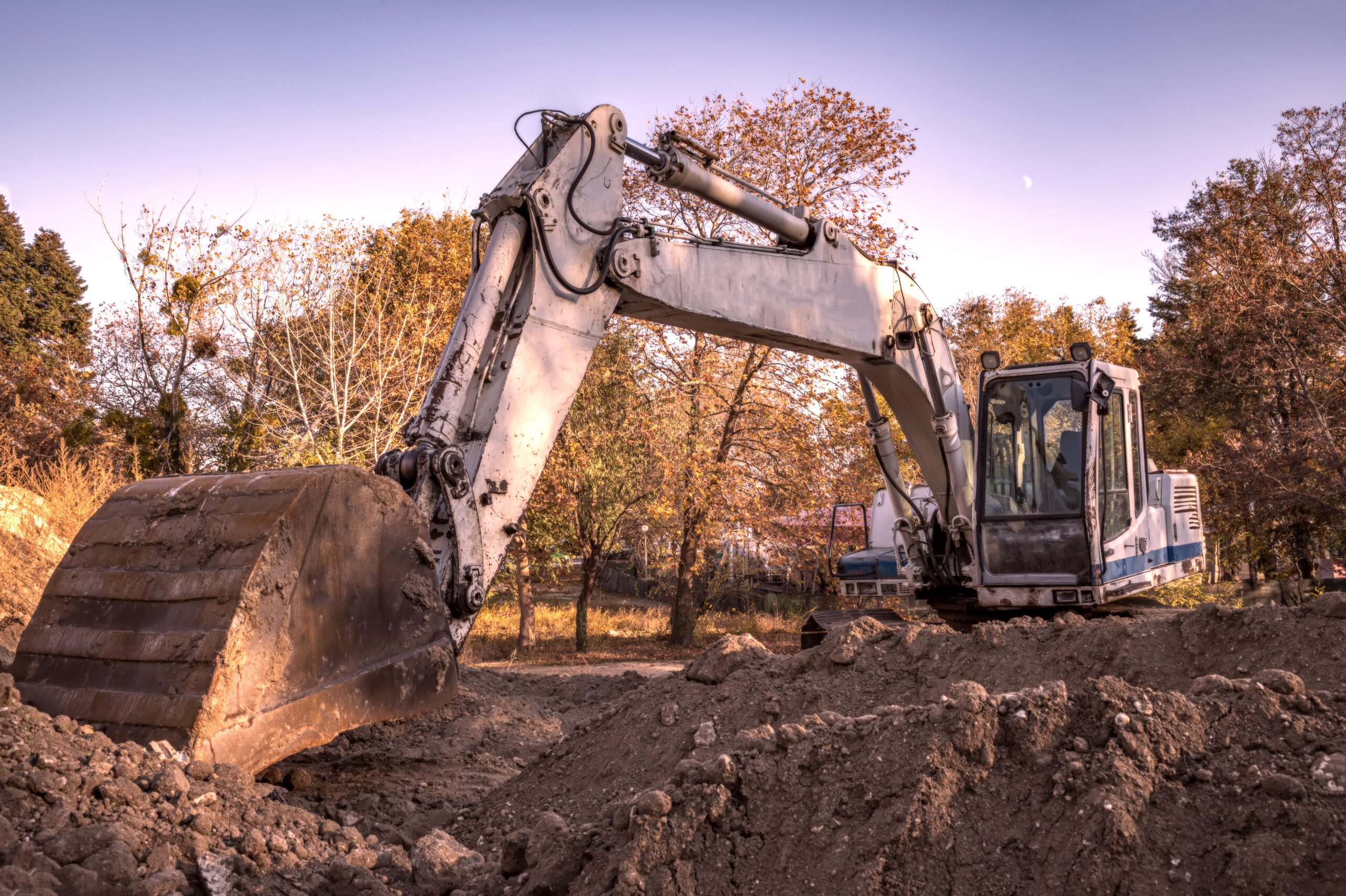
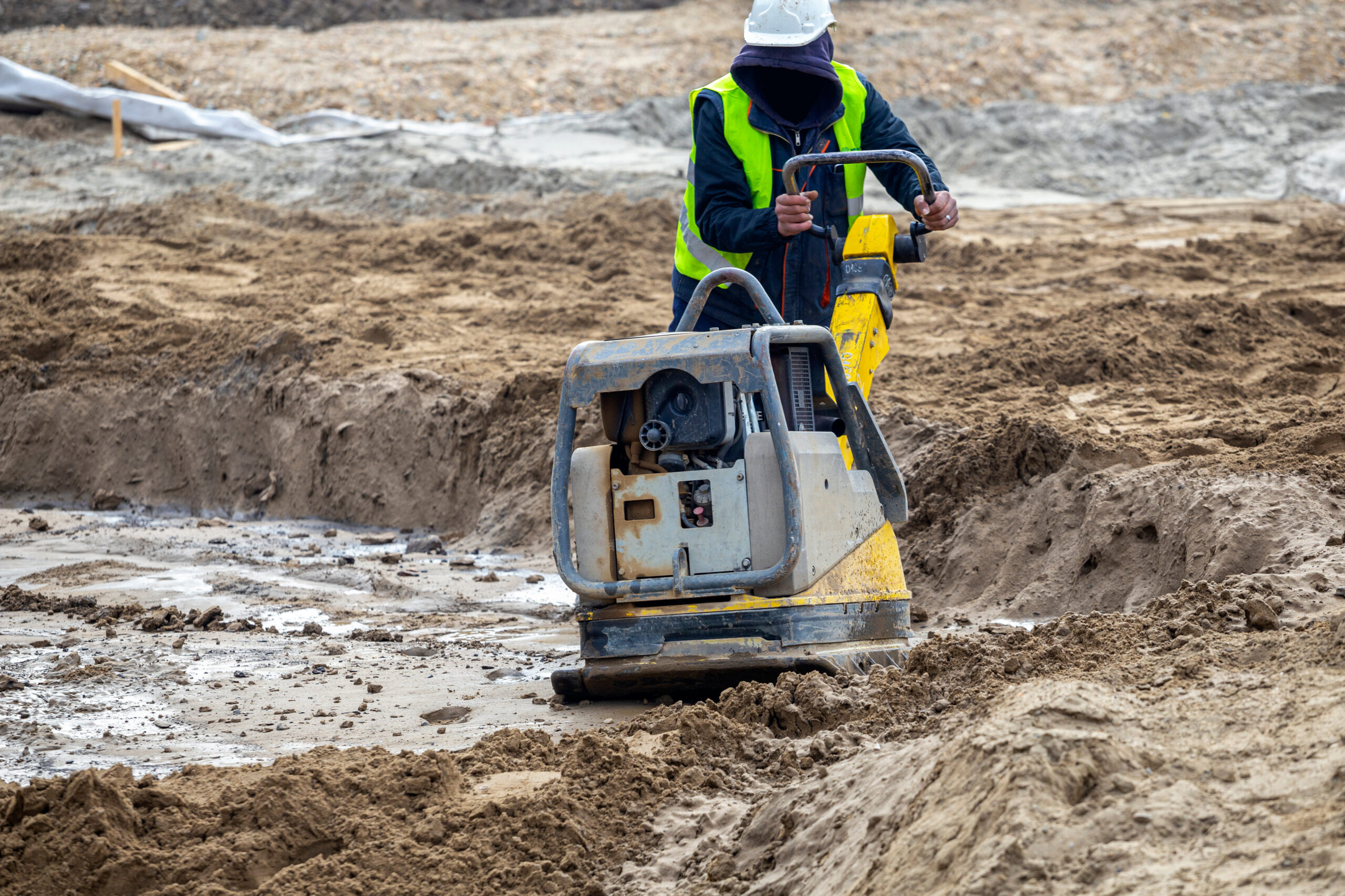
Using machines like diggers, dumpers, and rollers on site brings several dangers. These tools help move soil, lift materials, and clear ground quickly. But when not used the right way, they can cause harm.
One of the main risks is collision. Large machines have blind spots. Operators might not see people nearby. A person walking behind or beside a moving dumper could be struck without warning. That’s why it’s important to keep workers out of machine zones unless needed.
Another danger is rollover. Uneven ground or sharp turns can make a vehicle tip over. If a dumper rolls while full of material, both the driver and anyone close by could be hurt badly. Using seatbelts and checking the stability of paths helps reduce this chance.
Crush injuries also happen often with heavy equipment. This can occur when someone gets caught between a machine and another object, like a wall or stack of materials, or underneath raised parts like buckets or trailers that fall suddenly.
Clear signals on site help avoid these issues. Workers need to know who is operating what at all times. Hand signals, radios, or agreed routines help teams stay in sync during busy tasks.
Proper training is key too. Operators must understand how each piece works before using it in real jobs, this includes safe speeds, stopping distances, turning space, and load limits.
All these points show why groundwork health and safety risks linked to plant gear can’t be ignored by anyone on site – even those not operating machines directly.
Simple steps like regular checks before use, keeping walkways marked off from machine routes, and making sure only trained people drive heavy vehicles go a long way in keeping everyone safe during groundwork tasks.
Common Groundwork Health and Safety Risks
Working on groundwork sites often brings a mix of tasks. Each one comes with its own set of dangers. Uneven ground is a frequent issue. Workers may trip or slip, especially during wet weather or when the surface changes without warning. Loose gravel, mud, or sudden holes in the earth can lead to falls that cause injury.
Another risk involves moving equipment. Diggers, compactors and trucks move around tight spaces. If people aren’t aware of where these machines operate, accidents can happen fast. Clear paths and good communication between teams help reduce this risk.
Exposure to harmful substances is also a concern. During excavation, workers might come across asbestos, chemicals in soil or underground fuel tanks. Without proper checks and protective gear, this exposure could affect long-term health.
Manual handling is another regular part of groundwork jobs. Lifting heavy tools or materials without support strains muscles and joints. Over time, this can turn into ongoing pain or more serious damage.
Noise levels from machinery also raise concerns about hearing loss if ear protection isn’t used properly throughout the day.
Underground services like cables and gas pipes add another layer of danger. Striking these by mistake could cause fires or electric shock injuries.
Weather plays a big role too, rain makes surfaces slippery; heat leads to dehydration; cold conditions increase the chance of numb hands affecting control over tools.
All these groundwork health and safety risks require constant attention on site. Risk assessments before any task helps identify possible issues early on. Regular breaks, toolbox talks and proper training make sure everyone stays alert throughout their shift.
Paying close attention each day keeps smaller problems from turning into bigger ones later down the line. Making small checks routine builds safer habits for every crew member involved in groundwork activities.
Staying Safe Starts from the Ground Up
When it comes to groundwork, staying alert to potential dangers is half the battle. From the risk of excavation collapses to unexpected encounters with underground services and heavy machinery, understanding these groundwork health and safety risks is essential for keeping your site safe and your team protected. By recognising common hazards early on and putting proper safety measures in place, you can prevent accidents before they happen. It’s all about creating a culture where safety isn’t just a box-ticking exercise, it’s second nature. Stay informed, stay prepared, and make safety part of every step on site.
Share This Post
About the Author: Legacy GLM Group