
Keeping a building safe isn’t just about ticking boxes—it’s about making sure people can live, visit, or do their jobs without worry. Whether you’re starting a new project or updating an older one, understanding the rules is key. It’s easy to miss small details that could lead to bigger problems later on. This guide will walk you through practical steps to help you meet building safety codes and avoid costly setbacks. From fire exits to structural checks, we’ll cover what really matters so you can stay on the right side of the law and keep everyone safe.
Understand Local Regulations and Standards
Knowing the rules in your area is one of the first steps to take when starting any construction or renovation job. Each region has its own set of building codes, and these can change over time. It’s important to check both national standards and local rules before any plans begin.
The UK Building Regulations lay out what’s legally required for safety, energy use, access, ventilation, fire precautions and more. These rules apply to new builds as well as changes made to existing buildings. Councils can also have extra guidance or stricter measures depending on location. That means a project in Manchester might face different checks than one in Bristol.
You don’t need to memorise every rule, but you do need to know where to get up-to-date information. Government websites like Planning Portal offer current details about what applies across England and Wales. For Scotland or Northern Ireland, separate bodies handle their own versions of the regulations.
Changes happen often – sometimes each year – so relying on old knowledge isn’t enough. A rule that applied five years ago may not meet today’s conditions. If you’re unsure about anything, speak with a local building control officer or hire someone who understands compliance inside out.
Following the correct procedures from day one will help avoid delays later on. Mistakes linked to missing permits or ignoring recent updates can lead to fines or having to redo parts of a build altogether.
To meet building safety codes, it’s not just about materials used or designs followed, it starts with knowing what those codes actually demand right now in your area. Staying updated helps keep everything legal and safe from the beginning through to final inspection.
Work with Certified Professionals
Getting help from certified experts makes a real difference when trying to meet building safety codes. These people know the rules and understand what inspectors look for. That includes architects, engineers, and contractors who have worked on similar projects before.
Hiring someone without the right background can lead to missed steps. Mistakes in planning or structure could delay approvals or even force you to start over. A qualified architect knows how to design spaces that follow local laws. An experienced engineer checks if materials and support systems hold up under pressure. Contractors with proper licences know how to carry out tasks in line with code.
Many areas have their own rules about fire exits, wiring, plumbing, ventilation, and more. If your team isn’t familiar with these details, it’s easy to overlook something important. Certified professionals keep track of updates to those regulations so they can apply them on every job.
When choosing who to hire, ask about past projects like yours. Look for proof of training or registration with official bodies. You can also check reviews or ask others who’ve built before which professionals they trusted.
Good communication also matters during the build process. Skilled workers explain what needs doing and why certain changes may be required after inspections begin. They’ll help adjust plans quickly if needed, without cutting corners that could lead to failed checks later on.
Working with trained individuals helps avoid delays and extra costs down the line. Their input keeps your build safe and ready for final approval without stress or confusion along the way.
Conduct Regular Site Inspections
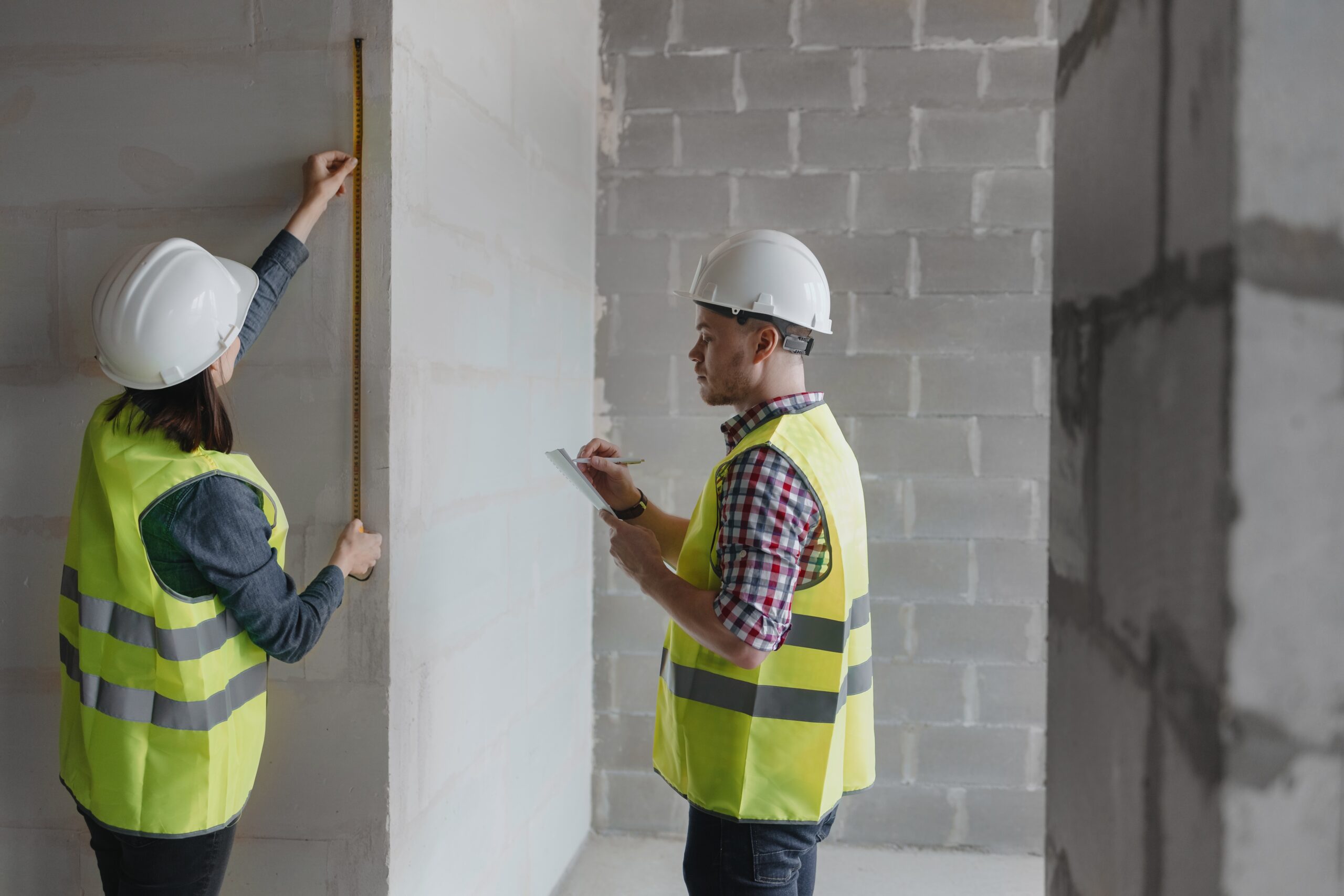
Walking through the site on a regular basis helps spot problems before they grow. These checks should happen at different stages of the project, not just at the start or end. Keeping an eye on things as they progress makes it easier to catch mistakes early. It also gives workers a chance to fix issues without delay.
Site inspections help ensure that tasks follow proper steps. For example, checking if electrical wiring is placed correctly or if scaffolding is stable can prevent bigger concerns later on. If something doesn’t look right, it’s better to deal with it straight away rather than wait for an official review.
Supervisors and safety officers should use checklists when they inspect. This speeds up the process and ensures nothing gets missed. Having a standard list also keeps each inspection consistent, no matter who carries it out.
Workers often get used to their surroundings and may overlook small changes that could lead to trouble. A fresh pair of eyes during routine checks helps bring attention back to safety basics. These reviews also give team members space to speak up about anything they’re unsure about.
Keeping records from past visits helps track patterns over time. If one type of issue keeps coming up – like blocked walkways or loose cables – then it’s worth looking into why that keeps happening.
By making these inspections part of your schedule, you’re more likely to meet building safety codes every step of the way. It’s not only about ticking boxes; it’s about making sure everyone stays safe while doing their job properly.
Regular visits show that health and safety remain a key focus throughout construction, not just when someone from outside comes in for a final check-up.
Use Approved Materials to Meet Building Safety Codes
Choosing the right materials matters. It’s one of the first steps you need to take when trying to comply to building safety codes. Using items that pass official checks helps avoid delays and extra costs later on. These materials include fire-resistant items, sturdy structural parts, and other components that follow current standards.
Fire safety is a major concern in most projects. Products rated for fire resistance help slow down flames and protect people during emergencies. Fire doors, insulation, ceiling tiles, and wall panels must all meet set rules. If you use uncertified items, local authorities may reject your plans or stop your build altogether.
Structural integrity is another key area. Beams, columns, floors and walls must hold up under stress without bending or breaking too soon. Engineers often rely on material ratings to make sure everything works as it should over time. Items like steel bars or concrete blocks come with documents showing they’ve passed strength tests.
When shopping for supplies, always check if they carry approval marks from trusted bodies like BSI or CE certification in the UK market. These symbols show that the product has gone through proper testing and meets legal requirements.
Using approved goods also makes inspections smoother. Inspectors look for proof that what’s been used follows the code. If you already have certified products installed, it cuts down their review time and lowers the chance of needing changes after construction starts.
It’s easier to stay on track when everyone involved, from builders to planners, uses pre-approved materials from day one. This reduces mistakes and keeps things moving forward without trouble from regulators or inspectors along the way.
Staying Ahead with Smart Safety Practices
Making sure your project ticks all the right boxes doesn’t have to be overwhelming. By understanding local regulations, partnering with certified professionals, carrying out regular inspections, and using approved materials, you’re setting a solid foundation for success. These steps not only help you meet building safety codes but also protect everyone involved – from workers to future occupants. Staying proactive and informed is key to avoiding costly delays or legal issues down the line. With the right approach, compliance becomes less of a chore and more of a smart strategy for long-term peace of mind.
Share This Post
About the Author: Legacy GLM Group