The conclusion of a commercial tenancy represents a critical financial and operational juncture for both landlords and tenants. In the commercial real estate sector, properties must be returned to their original structural state at the end of a lease, a legal requirement managed through the dilapidations process. Engaging in professional commercial dilapidations works Portsmouth is essential for ensuring that buildings along the South Coast are restored efficiently, legally, and to a standard that protects the capital value of the real estate asset. Failing to address these obligations can lead to protracted legal disputes, expensive terminal claims, and prolonged void periods that harm business cash flow.
For a commercial tenant, a schedule of dilapidations served by a landlord can represent a significant unexpected expenditure. Conversely, for landlords, receiving a property back in a state of disrepair can severely delay re-letting and disrupt investment returns. The commercial landscape across Portsmouth, from the busy industrial estates of Fratton and Hilsea to the retail spaces in the city centre and office hubs along the M27 corridor, features a wide variety of building types. Each property style demands a tailored approach to asset restoration, making a single, multi-disciplinary contractor invaluable for handling the diverse range of repairs required.
Legacy GLM Group operates as a dependable partner capable of managing the entire dilapidations lifecycle. Acting on behalf of landlords looking to reinstate an asset, or tenants preparing to vacate a space, we deliver clear, transparent, and legally compliant works. By consolidating structural repairs, internal strip-outs, mechanical upgrades, and external maintenance under one specialist team, we minimise asset downtime and remove the stress of managing multiple separate trades.
Understanding the Legal Mechanics of a Dilapidations Schedule
The entire process of property restoration is governed by the strict legal terms laid out in the original lease agreement. A terminal schedule of dilapidations is typically prepared by a professional building surveyor, outlining every instance where the property has fallen below the agreed standard of repair. When executing commercial dilapidations works Portsmouth, contractors must work methodically from this schedule to ensure that every recorded defect is addressed precisely in line with the legal covenants of the lease, preventing future arguments between the parties.
Lease covenants generally fall into three main categories: the covenant to repair, the covenant to decorate, and the covenant to reinstate alterations. The covenant to repair requires the tenant to keep the building fabric, including roofs, windows, and floors, in good structural condition. The decorating covenant dictates the specific intervals and standard to which internal and external surfaces must be painted or refreshed. Finally, the reinstatement covenant requires the tenant to remove any temporary alterations made during their occupancy, such as office partitioning, mezzanine floors, or custom technical installations, returning the space to a clean, open-plan layout.
Navigating these distinct covenants requires an experienced multi-trade approach. If a tenant attempts to settle a dilapidations claim purely through financial negotiation, they often end up paying a premium for the landlord to organise the repairs independently. By commissioning a competent contractor to execute physical commercial dilapidations works Portsmouth before the lease expires, the tenant retains full control over material procurement and labour costs, significantly reducing their final financial exposure and ensuring a clean handover.
Internal Reinstatement: Office Strip-Outs and Fabric Restorations
The internal phase of a dilapidations project is often the most labour-intensive stage of the restoration process. Over the course of a long tenancy, businesses modify their interiors to suit their operational needs, installing custom meeting rooms, IT server spaces, specialised flooring, and bespoke staff welfare facilities. True internal reinstatement requires a systematic approach to dismantling these features without causing structural damage to the primary building core.
A comprehensive internal repair programme involves removing all temporary partitions, suspended ceilings, and floor coverings to reveal the original structural envelope. Once the strip-out is complete, the focus shifts to restoring the underlying fabric of the building. This includes patching damaged plasterboard, screeding uneven sub-floors, and replacing broken ceiling tiles. Decorating teams then apply neutral, commercial-grade finishes to all walls and woodwork, transforming a personalised, tired workspace back into a clean, bright canvas that is immediately attractive to prospective incoming tenants.
Welfare spaces, such as communal kitchens and washrooms, frequently require targeted remediation during commercial dilapidations works Portsmouth. These high-use areas suffer intense wear and tear, often resulting in leaking pipework, cracked sanitaryware, and damaged cabinetry that violates the repair covenants of the lease. Our multi-disciplinary teams repair plumbing systems, install fresh fixtures, and ensure that all internal services are safe, operational, and clean, helping building owners avoid costly building control delays during the re-letting phase.
External Reinstatement: Protecting the Building Envelope and Groundworks
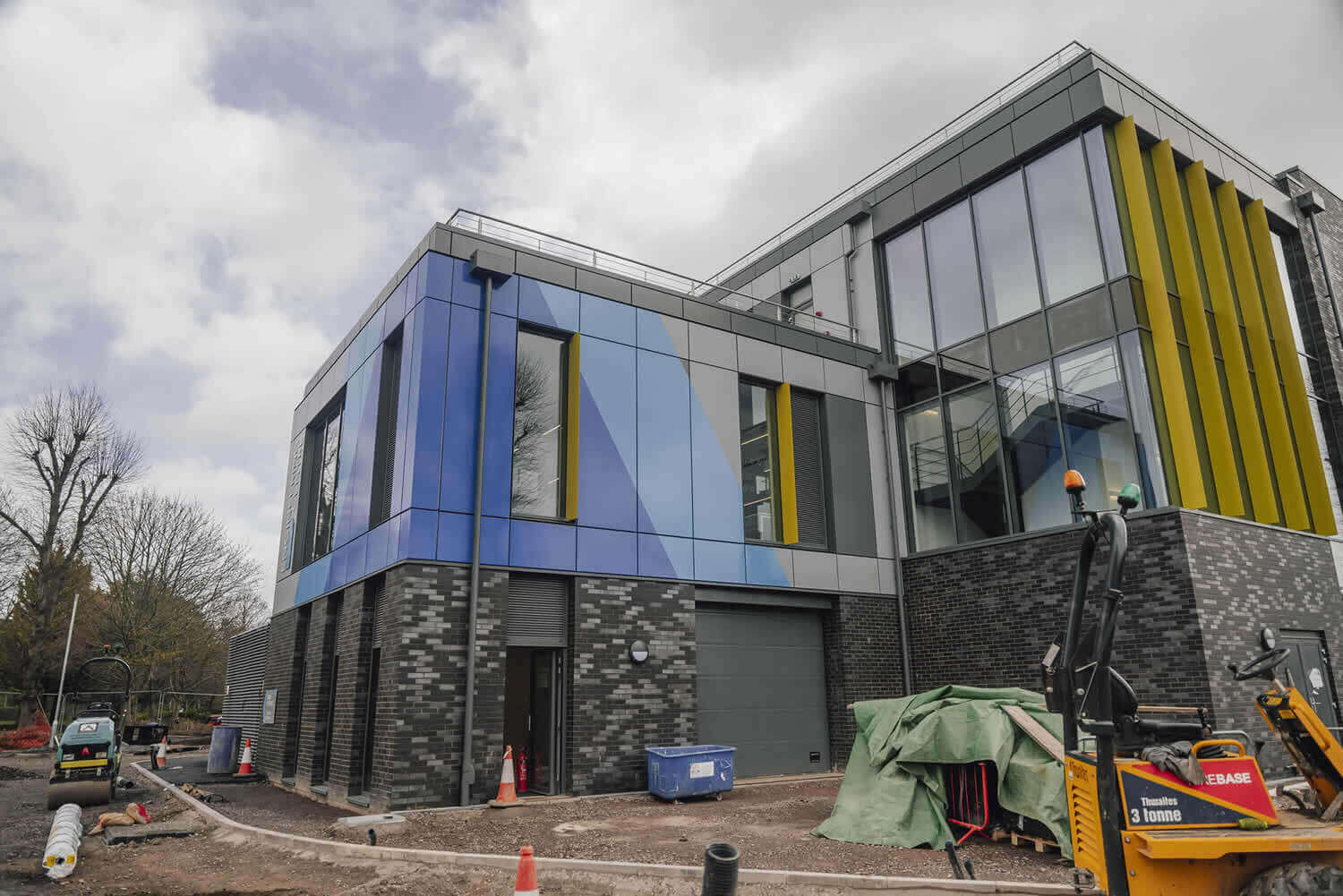
While internal aesthetics are vital for securing new occupants, the external envelope of a commercial property dictates its long-term structural viability and weather resilience. A schedule of dilapidations will carefully scrutinise the external condition of the asset, highlighting defects that could allow water ingress or compromise site safety. Comprehensive commercial dilapidations works Portsmouth must address everything from high-level roof membranes down to the underground surface water drainage systems.
Roofing and rainwater systems are primary sources of end-of-lease contention. Over years of occupancy, wind-blown debris and moss can accumulate in commercial gutters, causing blockages that lead to severe water ingress along the internal perimeter walls. External maintenance teams must clear these systems completely, repair failing roof flashings, and recoat weathered cladding panels to restore the building’s external protection. Addressing these high-level defects early prevents hidden rot and damp from undermining the core masonry of the property.
At ground level, hard landscaping and access infrastructure must be restored to a safe, serviceable condition. Heavy goods vehicles and constant staff parking take a significant toll on commercial car parks, leading to service deterioration such as deep potholes, displaced kerbstones, and faded line markings. Our groundworks division repairs damaged asphalt, restores brick paving, clears silt from SuDS-compliant drainage systems, and reinstates security fencing or boundary gates. By matching internal fabric care with robust external civil engineering, we ensure the entire estate looks professional and stands up to future operational demands.
Integrating M&E Upgrades and Fire Safety Compliance
Modern commercial real estate relies heavily on complex Mechanical and Electrical (M&E) services to remain functional and legal. When a business prepares to vacate a premises, the landlord will require documented proof that all building services are safe, compliant, and operating at their original efficiency levels. Consequently, any thorough execution of commercial dilapidations works Portsmouth must integrate detailed testing and remediation of the building’s underlying utility infrastructure.
Electrical installations must be tested to ensure they comply with modern safety standards, resulting in the production of a clean Electrical Installation Condition Report (EICR). This involves tracing and decommissioning redundant data cabling left behind in floor voids, repairing damaged distribution boards, and replacing faulty light fittings with modern alternatives. Similarly, HVAC systems, commercial boilers, and ventilation extraction units must be professionally serviced and certified, protecting the incoming tenant from sudden plant failures and helping the landlord maintain their statutory duty of care.
Passive fire protection compliance is another critical area where shortcuts are impossible. Over the course of a lease, contractors may have routed new pipes or wires through fire-rated walls, leaving unsealed holes that completely breach the building’s fire compartmentation. Furthermore, internal fire doors can become damaged, warped, or fitted with non-compliant ironmongery. As BM Trada Q-Mark accredited specialists, Legacy GLM Group can audit, repair, and certify all fire doors and fire stopping barriers during the dilapidations phase. This unique integration of general commercial building care with elite fire safety accreditation ensures the property is fully compliant with the Regulatory Reform (Fire Safety) Order 2005 before handover.
Frequently Asked Questions About Commercial Dilapidations Works Portsmouth
What is a schedule of dilapidations in commercial real estate?
A schedule of dilapidations is a formal legal document prepared by a building surveyor that details breaches of a tenant’s repairing, decorating, and reinstatement covenants within a lease agreement. It outlines the specific repairs, strip-outs, and maintenance tasks required to return the property to its original condition.
Is it better for a tenant to do the dilapidations works or pay a cash settlement?
In most cases, it is more cost-effective for a tenant to instruct physical commercial dilapidations works Portsmouth themselves before the lease expires. This allows the tenant to manage the budget, choose the materials, and control labour rates directly, whereas a cash settlement often includes additional landlord project management fees.
What does “reinstatement of alterations” mean in a lease context?
Reinstatement requires the tenant to remove any physical changes made to the property during their tenancy. This includes dismantling custom office partitions, removing added mezzanine floors, taking down corporate signage, and restoring the space back to its original open-plan architectural layout.
When should a tenant start planning for end-of-lease dilapidations?
Tenants should ideally begin reviewing their lease obligations and surveying the property twelve to eighteen months before the lease expiry date. Starting early allows ample time to secure competitive quotes, execute the necessary building works, and ensure a smooth handover without incurring financial penalties for holding over.
Can a landlord claim for dilapidations if they plan to demolish the building?
No, under Section 18(1) of the Landlord and Tenant Act 1927, a landlord cannot claim for dilapidations repairs if the property is going to be demolished or structurally altered to an extent that renders the tenant’s repairs valueless. This legal principle is known as “diminution in value.”
How do mechanical and electrical services impact a dilapidations claim?
M&E services, such as heating, air conditioning, and electrical installations, are major cost components. Tenants must prove these systems are in good working order by providing up-to-date compliance certificates, such as a clean EICR and gas safety records, and repairing any defects identified during end-of-lease testing.
Who pays for the surveyor’s fees during a dilapidations dispute?
The responsibility for professional surveyor fees depends on the exact wording of the lease agreement. Most standard commercial leases contain a clause dictating that the tenant must reimburse the landlord for the reasonable costs incurred in preparing and serving a schedule of dilapidations.
How does Legacy GLM Group ensure fire safety compliance during dilapidations?
Unlike standard general contractors, we hold specialised BM Trada Q-Mark accreditations. During the dilapidations works, we inspect all passive fire protection measures, repair or replace non-compliant fire doors, and seal service penetrations with certified fire stopping materials, giving the landlord total compliance security.
Share This Post
About the Author: Legacy GLM Group